
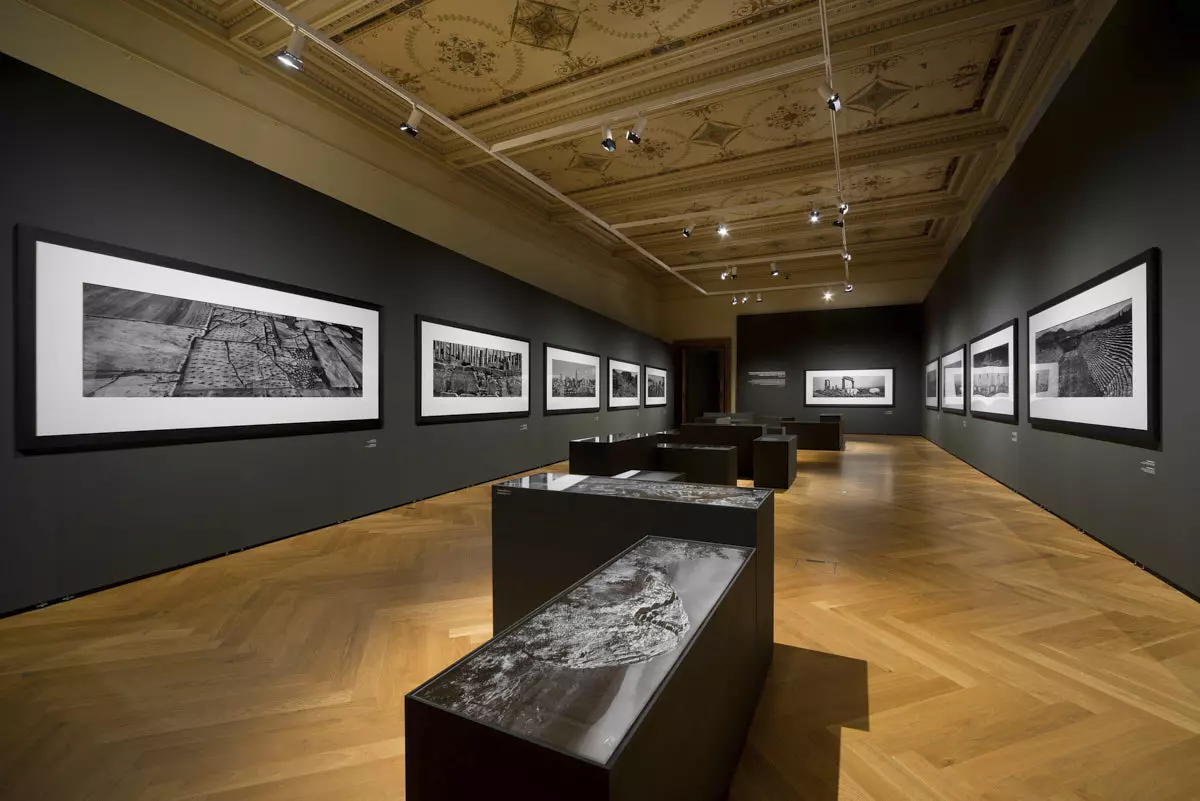
Museum of Decorative Arts in Prague
Every exhibition in its own colour
One stock of walls for all temporary exhibitions. The museum repaints it for each new show.
Mila-wall® by MBA – modular exhibition walls
With Mila-wall, you create new exhibition spaces in no time: modular walls that can be set up almost without tools, rearranged as you like and reused for decades. Seamless surfaces with no visible technology – the focus stays on the art.
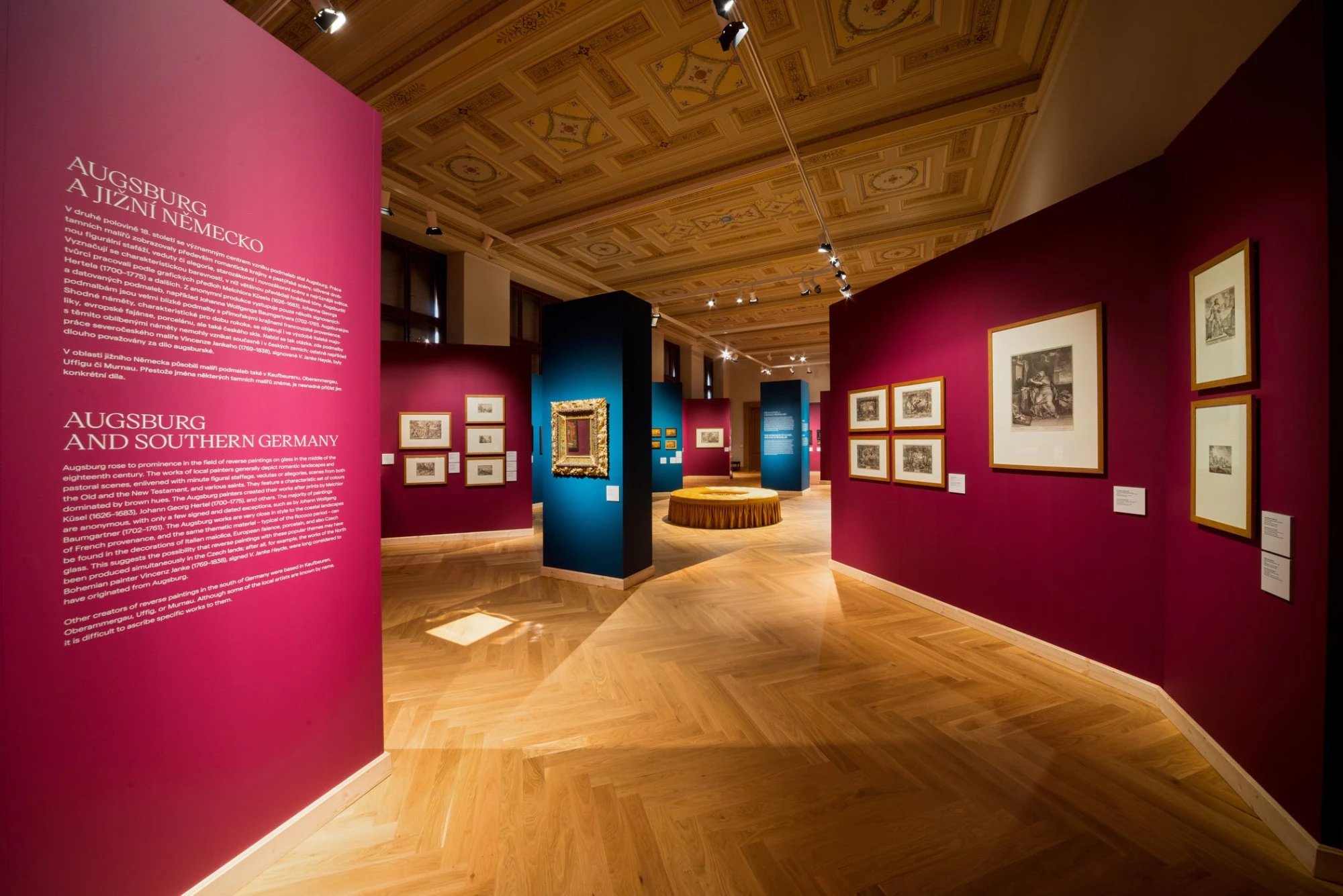
Museum of Decorative Arts in Prague – temporary exhibition on Mila-wall modules
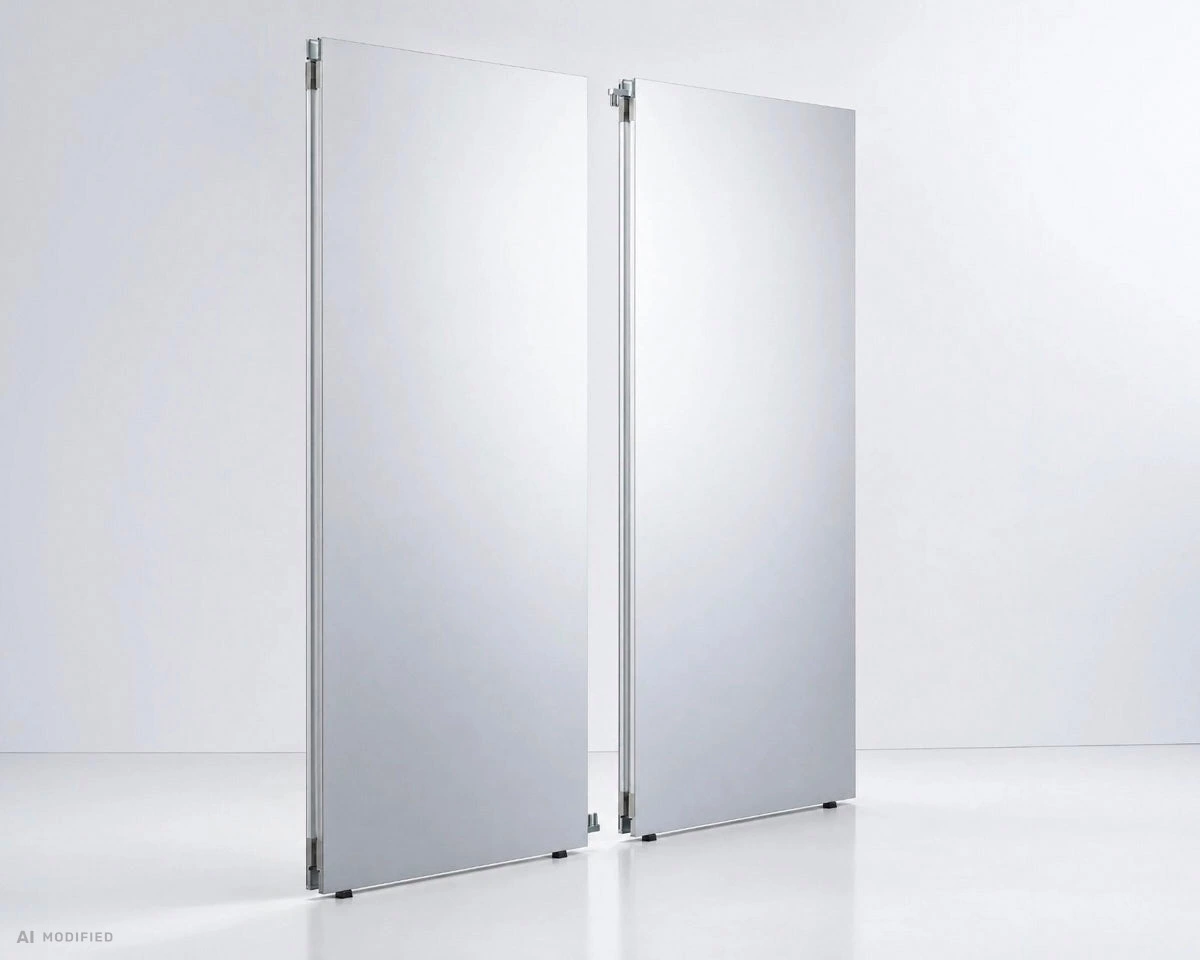
Mila-wall is our display wall system made of ready-made modules. We develop and manufacture it in Reutlingen, as a second-generation family business. Exhibitions have been built with it since 1990. Large museums work with it, and so do small institutions: your own stock starts at just six modules.
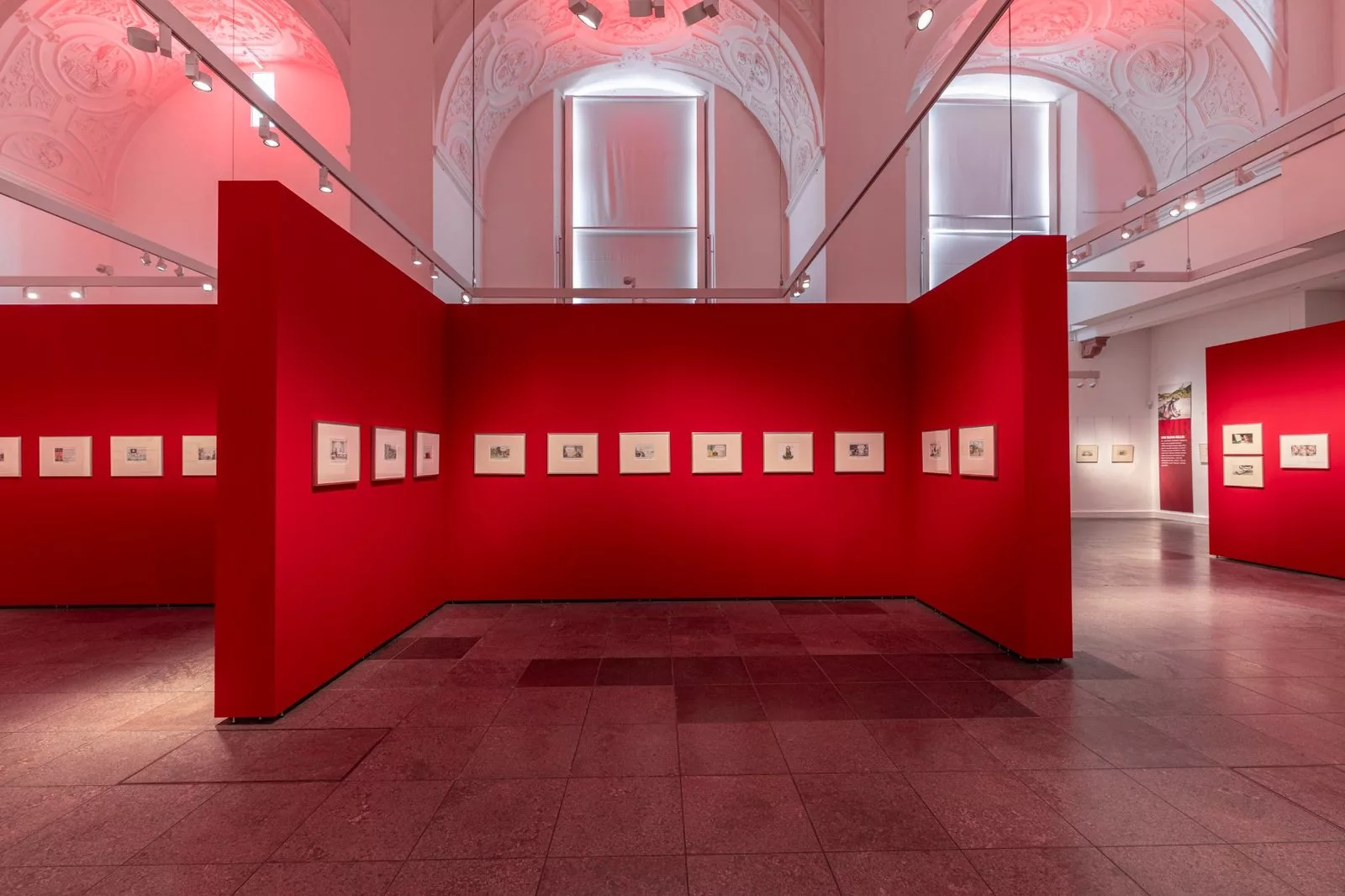
Jesuitenkirche Art Gallery. Aschaffenburg, video
30
exhibitions from a stock of 700 modules: Museum of Decorative Arts in Prague, since 2017.
50×
repainted and still in use: the modules in Dresden, since 2004.
1993
The oldest modules date from this year. They are still in use today.
0
interventions in the building fabric. The walls are free-standing, even in listed buildings.
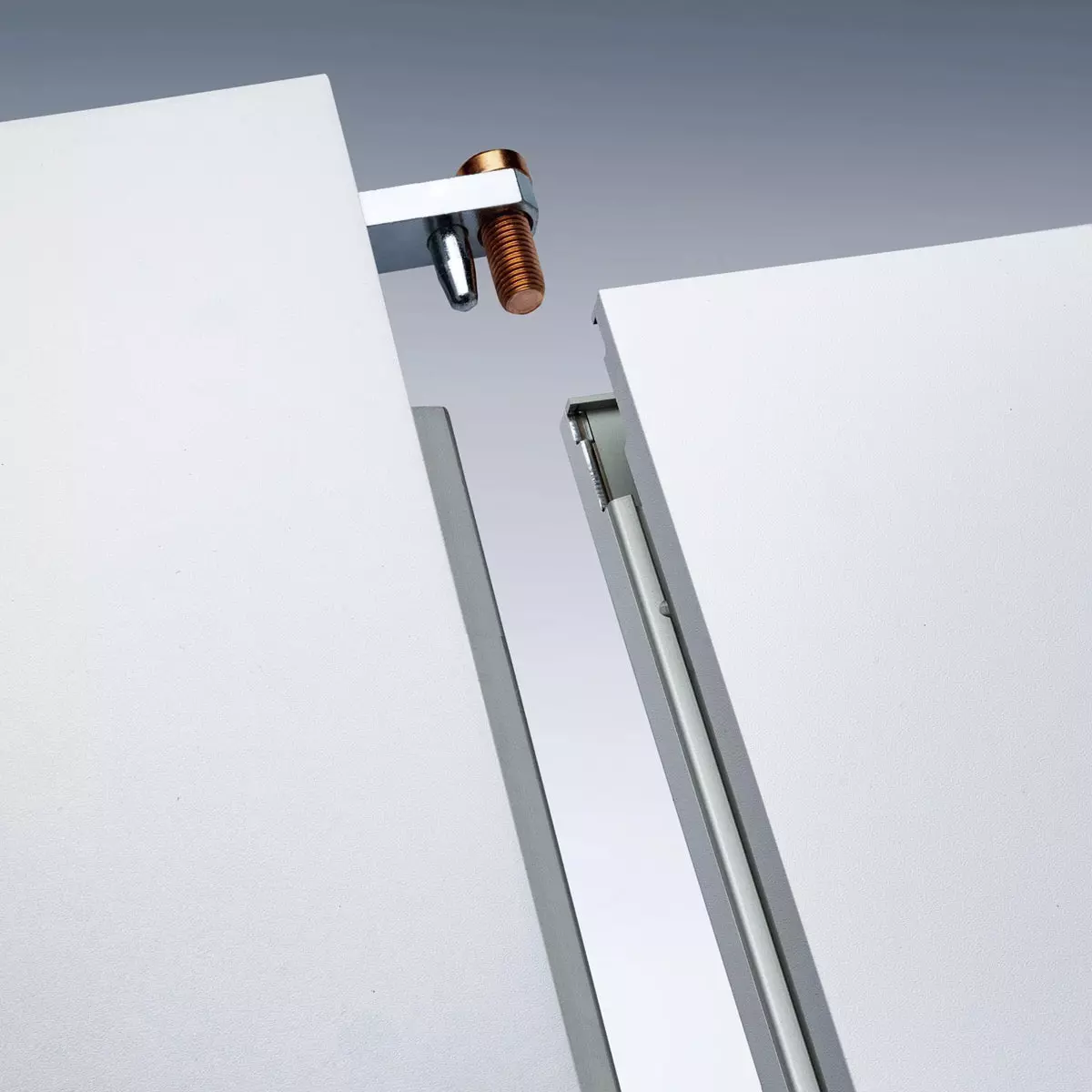
A wall you don't build, you simply put in place. Every module is finished when it arrives. You hook it into the next one, and you're done. No holes, no dust, no traces.
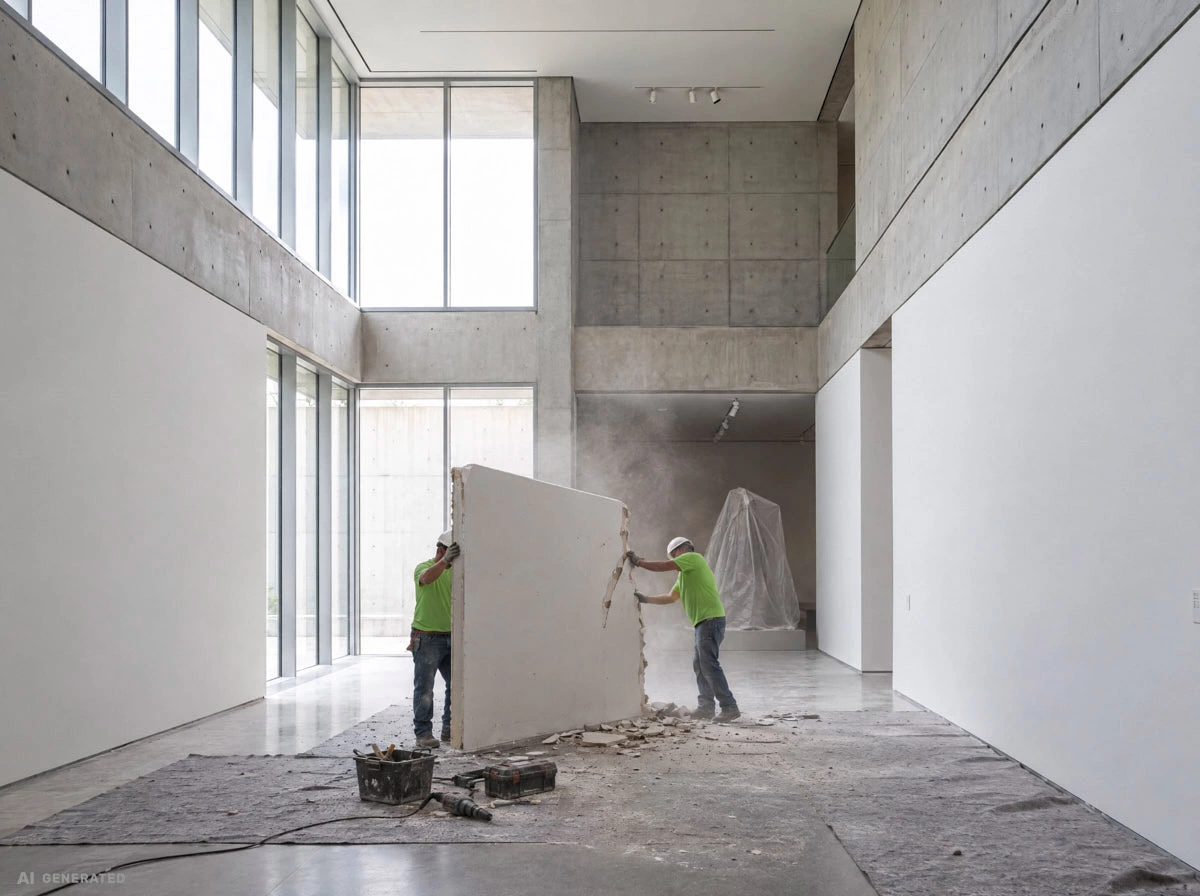
If you rebuild four times a year, you have forty building sites in ten years. With Mila-wall, you use the same walls again and again.
How an exhibition changeover works
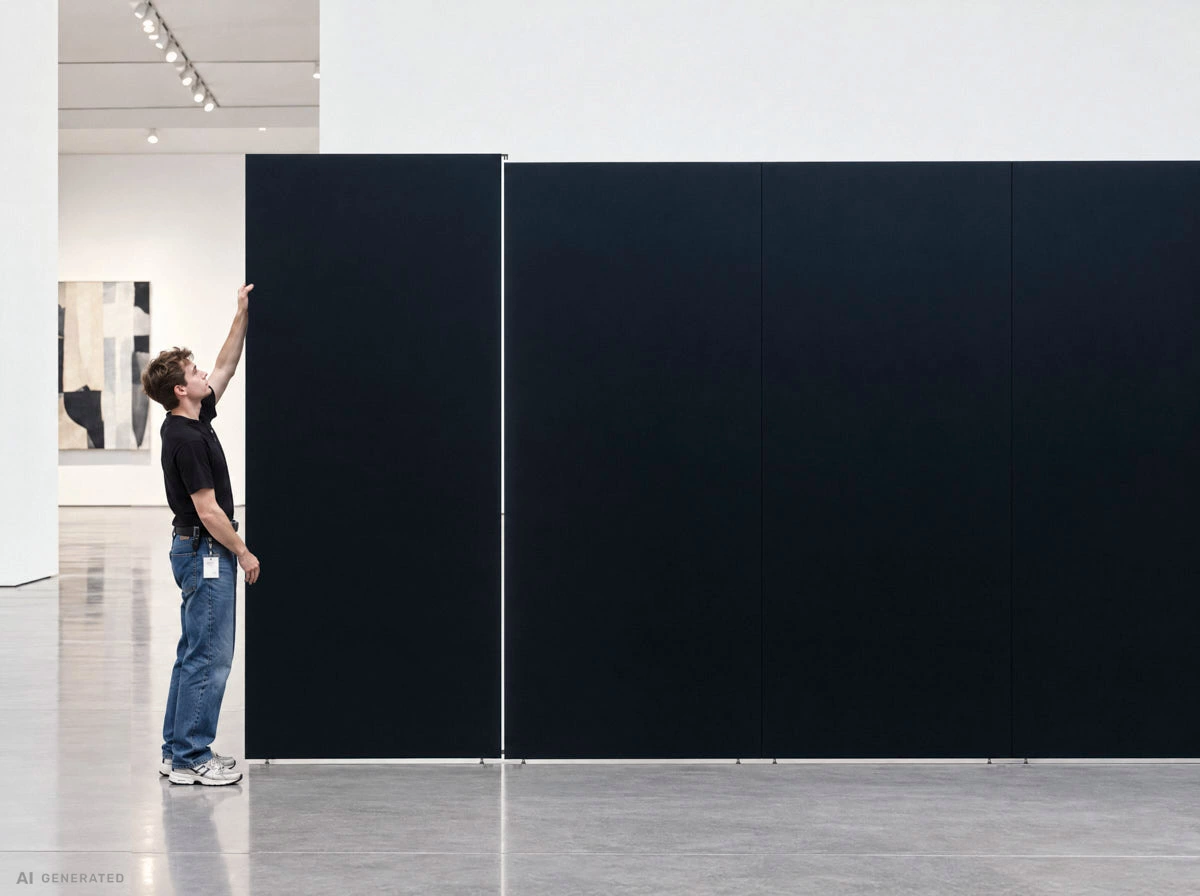
From Prague to Paris, museums and cultural institutions work with Mila-wall. Some for more than twenty years.
“Building new temporary walls over and over again would be too costly for us.”
“With just two or three staff members, we can create complex spatial worlds and present our exhibits to their best advantage.”
“The sustainability of the display wall system, which we have now been using for twelve years, proved to be a major advantage.”
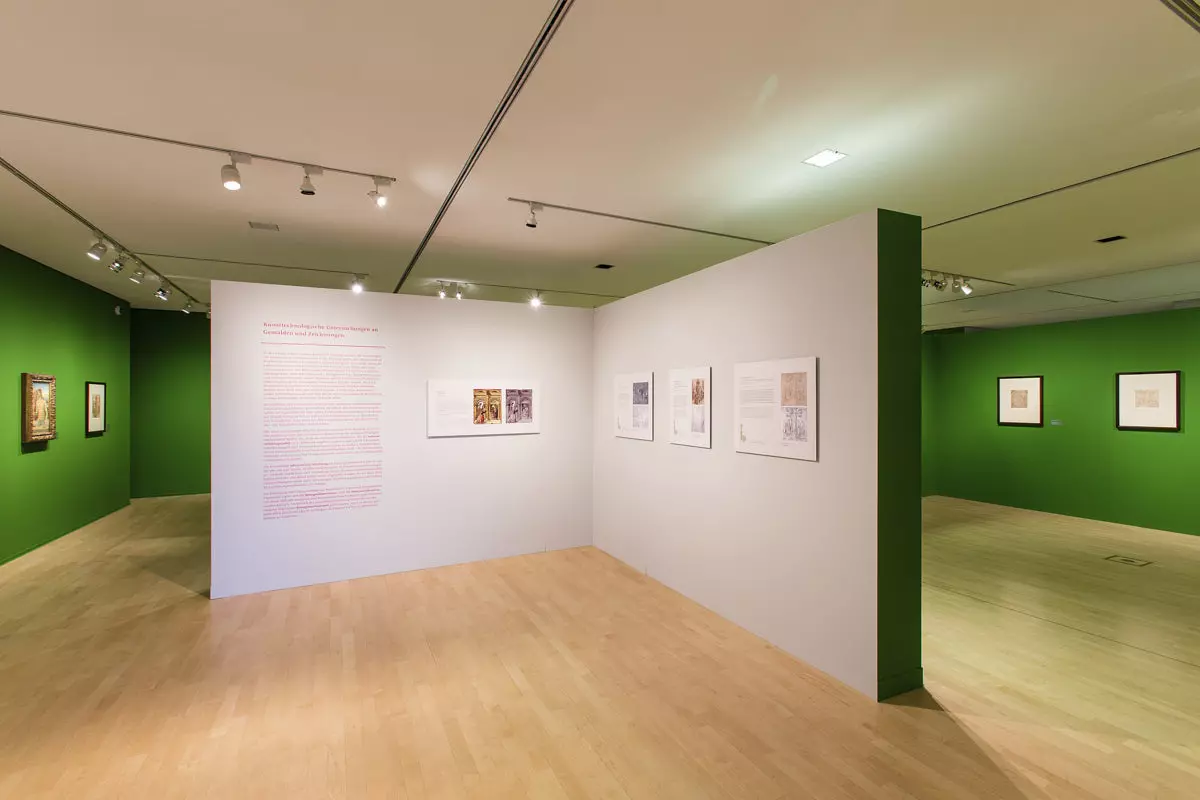
Every exhibition in its own colour
One stock of walls for all temporary exhibitions. The museum repaints it for each new show.
The alarm inside the wall
Temporary exhibitions in the Royal Palace. Sensors in the walls protect the exhibits, yet none of it is visible.
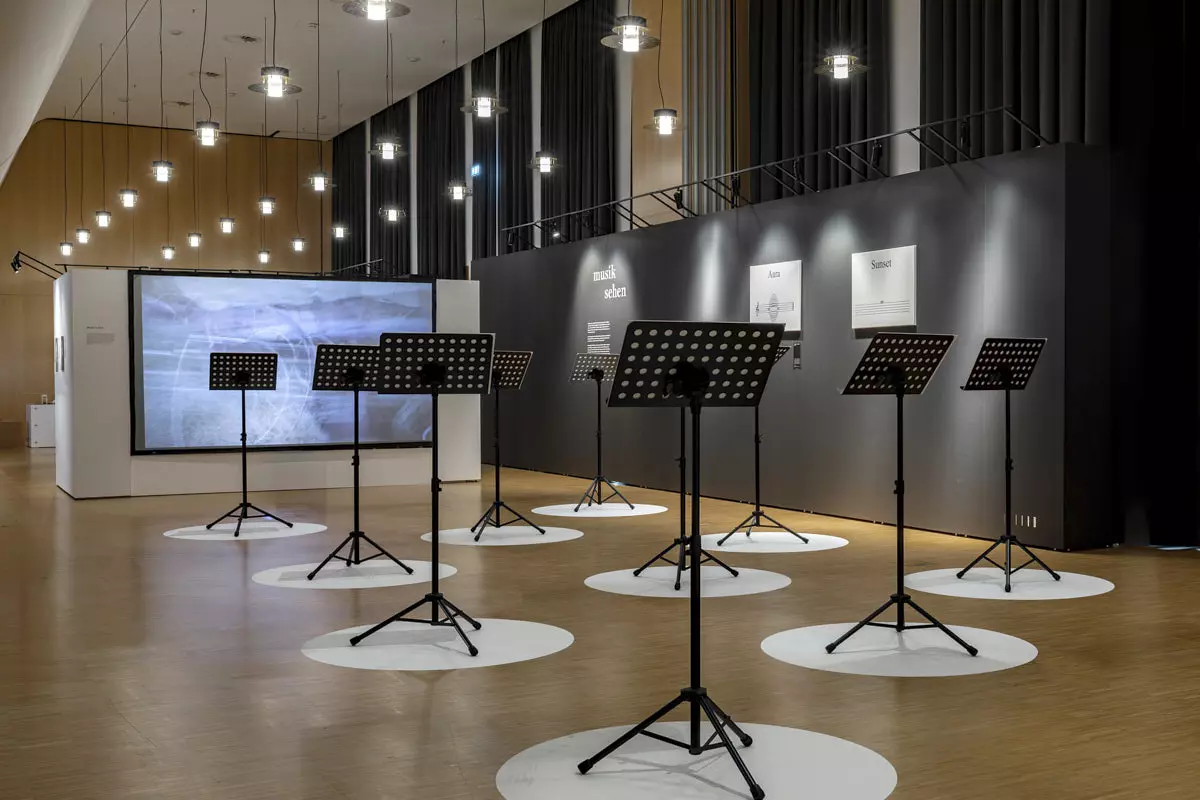
Three exhibitions a year
Since 2020, the library has designed its special exhibitions with 55 display walls. For each new theme, they get new foils.
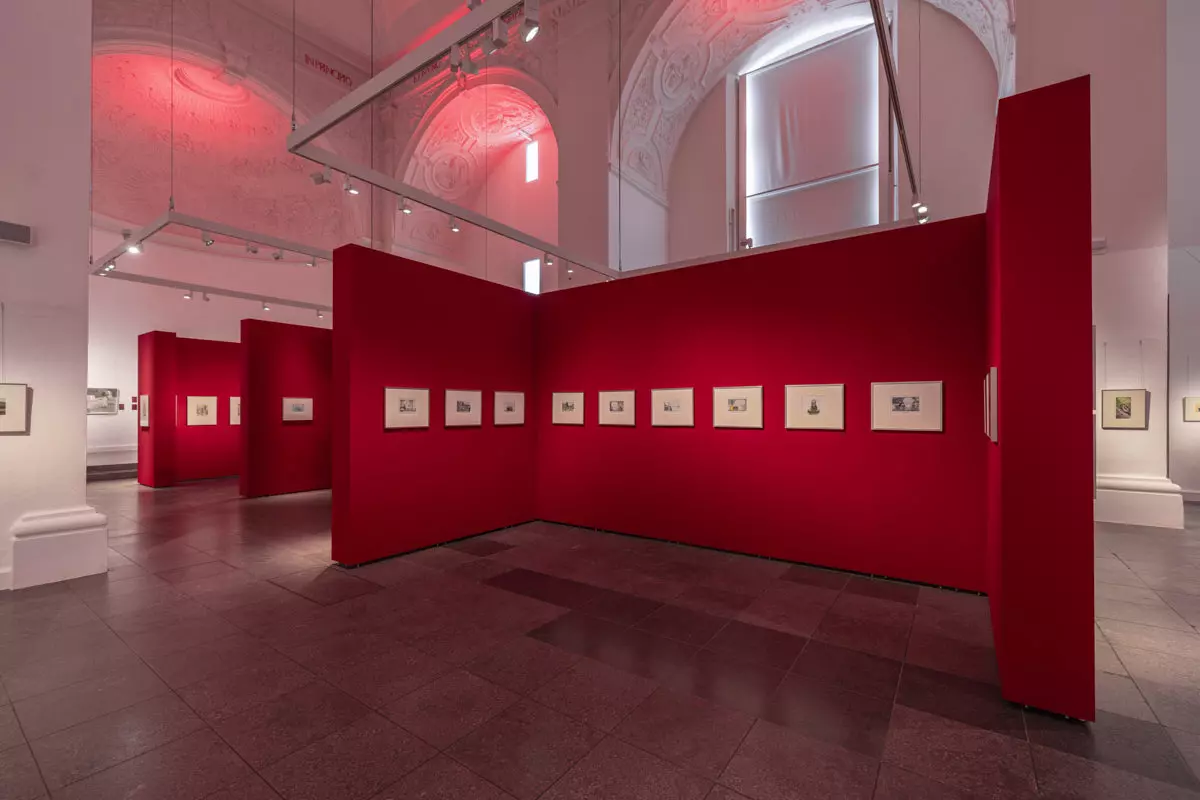
An exhibition in the nave
Free-standing, red-foiled walls structured the historic space and created hanging surfaces. Afterwards, the nave was empty again.
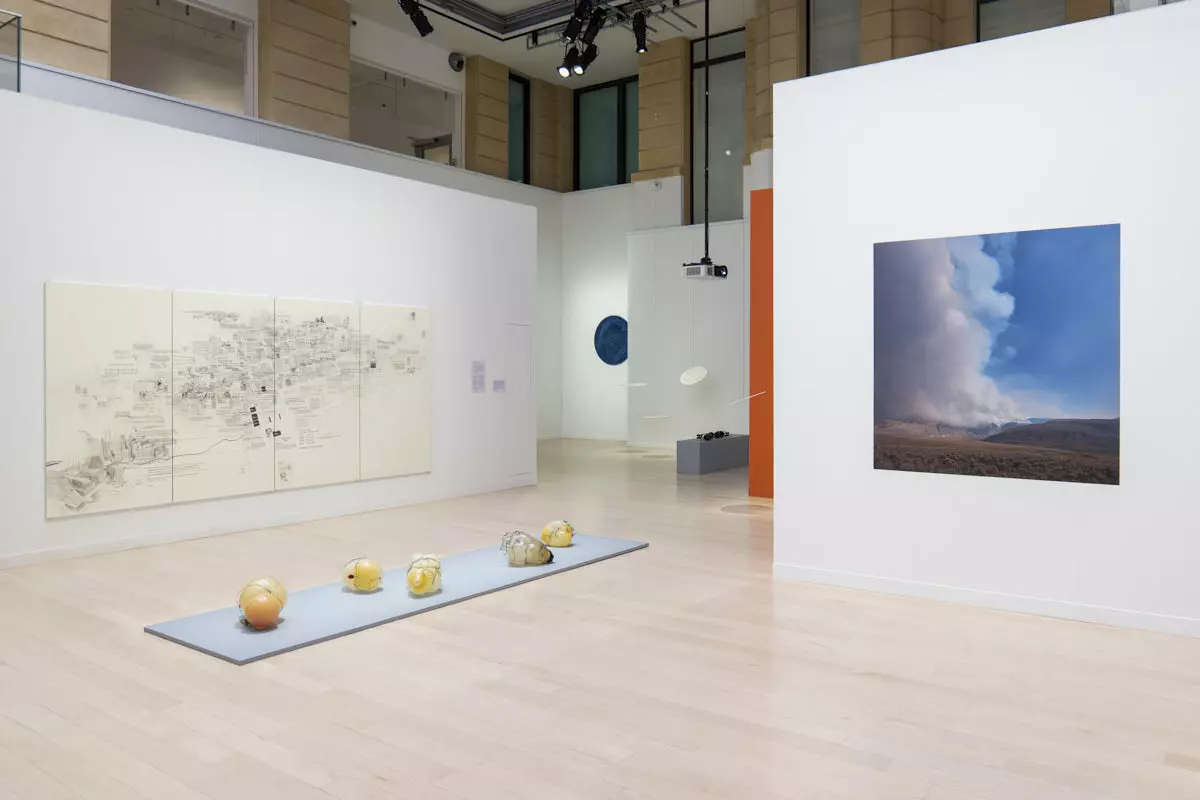
Eleven exhibitions, the same walls
Since 2018, the centre has built its special exhibitions from the same wall modules, each time with a different spatial concept.
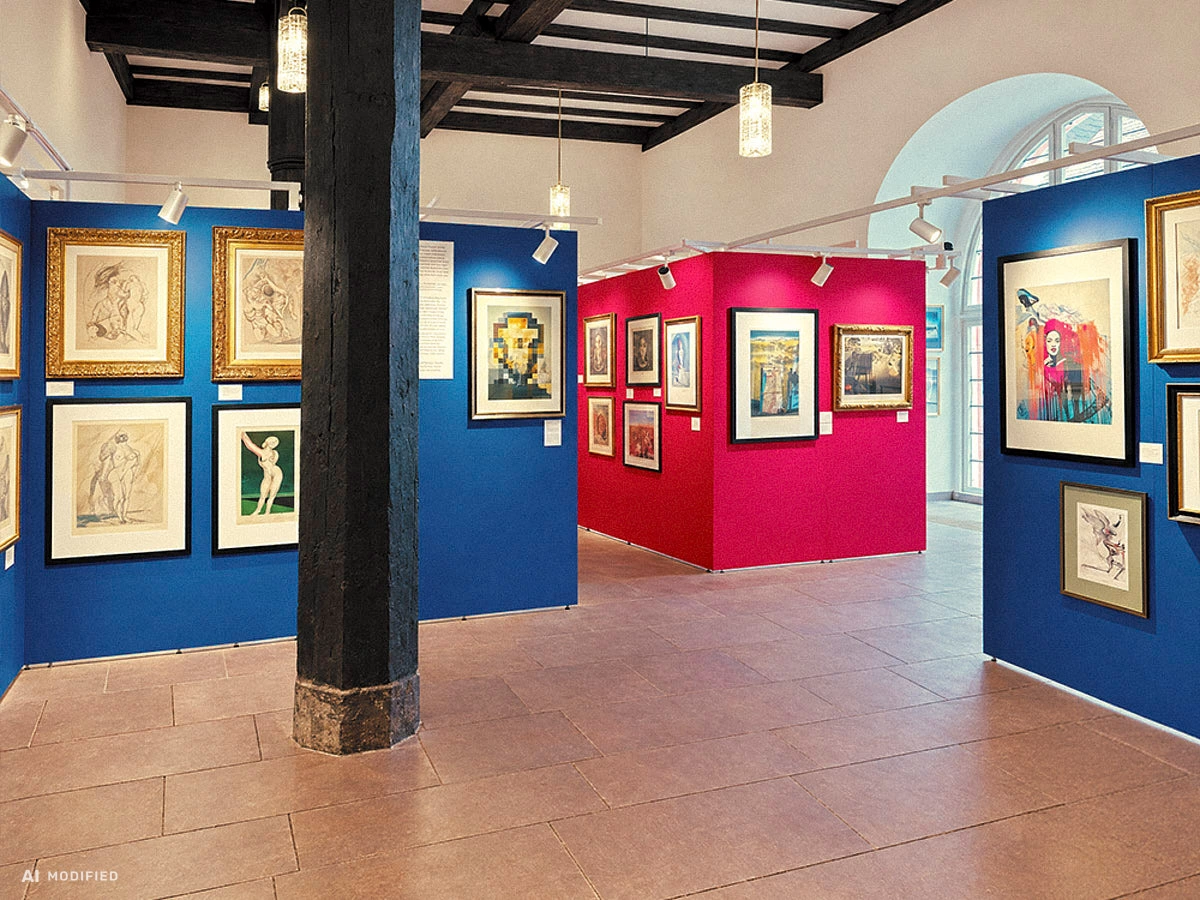
48 walls for Dalí
For the show “Dalí – Life and Work” with more than 500 exhibits, the museum bought its own walls, foiled in red and blue. This means it can now hold special exhibitions several times a year.
Whether museum, gallery, trade fair or custom solution: Mila-wall is at home wherever spaces change.
Temporary and special exhibitions from your own stock. The walls are in place before the loans arrive.
View solutionA new hang every few weeks. Seamless surfaces, foil that peels off without residue, paint that can be painted over.
View solutionThe same set-up at every venue. Transport containers in four sizes, modules that withstand many set-ups and dismantlings.
View solutionA stand that adapts to any floor space. Power and data run inside the frame, and the stand travels on to the next trade fair.
View solutionA brand world for a weekend: free-standing in the room, foiled in your corporate design, then blank again afterwards.
View solutionRadii, doors, showcases, media technology. Made for your project, compatible with the standard system.
View solution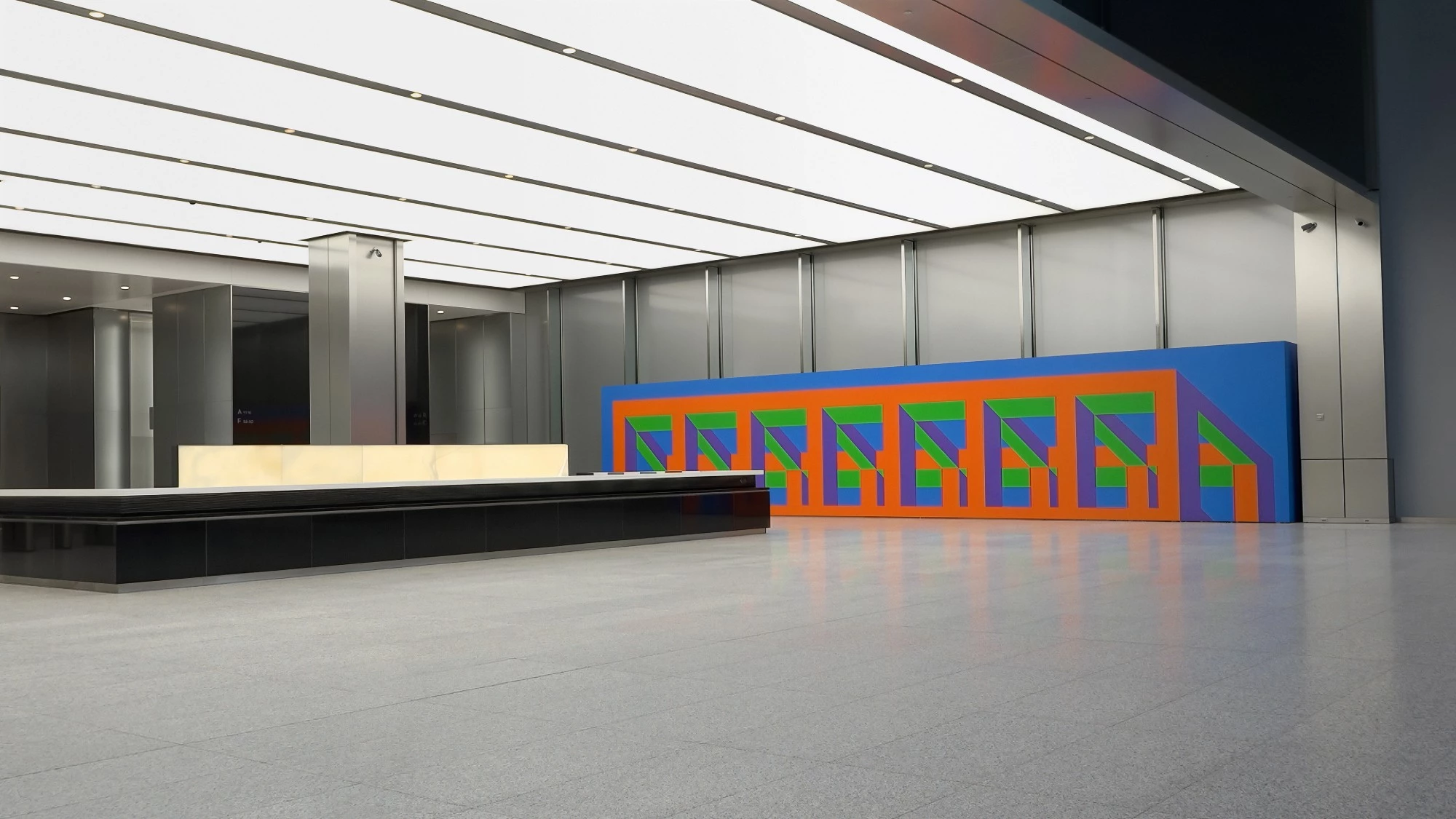
Our display walls come in four widths and eight heights. Every width works with every height. Intermediate sizes are made on request.
Specifications for Mila-wall Series 100; other series on request.
Each one takes up a single module slot in the same grid as the walls. Radii, showcases, acoustic and screen modules fit in the same way; power and data run inside the frame.
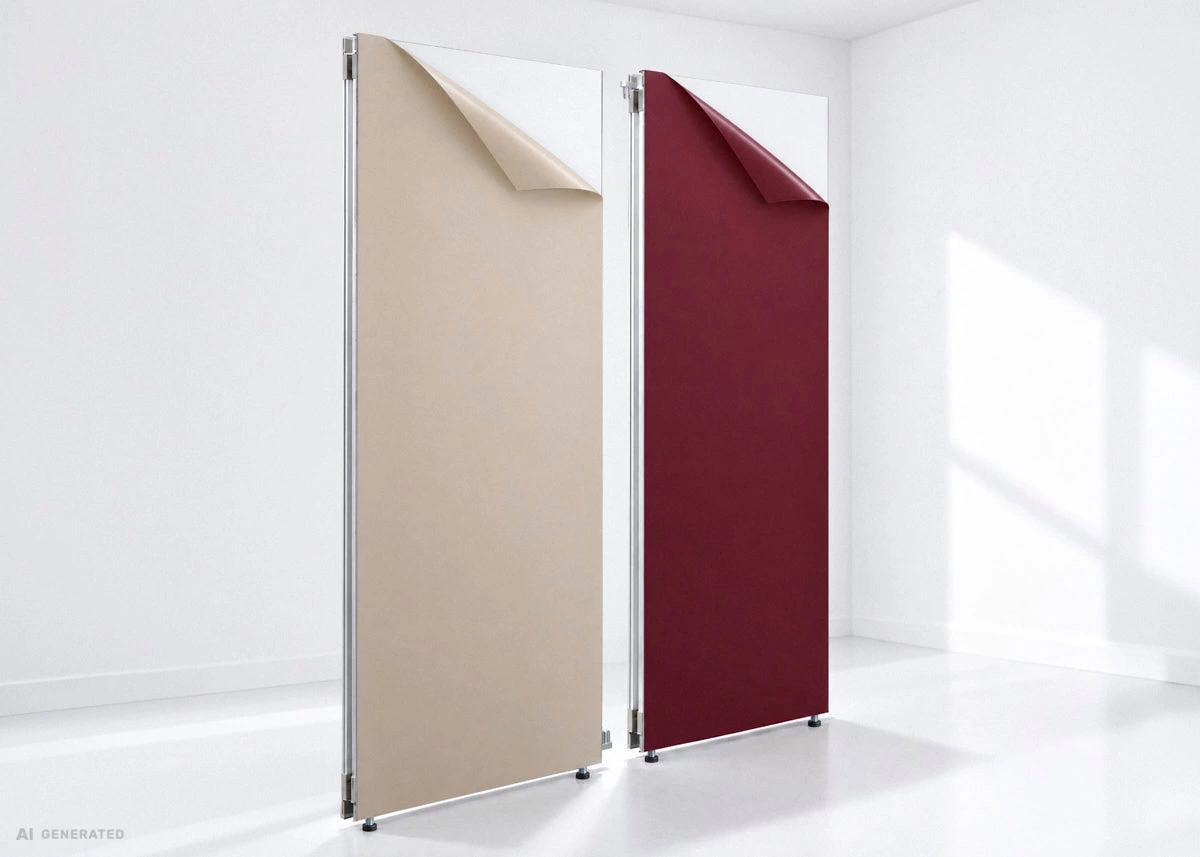
We supply matching self-adhesive foils for the walls. That's where it all began for us.
The walls go up in hours, the exhibition in days. In Prague, the complete architecture is in place within two to three days. Two or three people set it up from a stock of 700 modules. Hanging, lighting and graphics follow afterwards, as always.
Your own team. They hook the modules together almost without tools; two people are enough, and a short briefing is all it takes. A standard module one metre wide and 2.5 metres high weighs around 23 kilograms. Only the accessories for free-ending walls require a screwdriver.
Works are hung on rails, hooks and steel cables. We plan stability and load capacity for every project. The system is TÜV GS certified, and in Dresden an alarm wall protects the exhibits with invisible sensors.
For decades. Dresden has been working with the same modules since 2004, repainting them more than fifty times. We repair damaged surfaces on site. Used modules get a new foil or a fresh coat of paint.
A single plasterboard wall is cheaper. But it is only used once. A module is used thirty times – in Prague since 2017, in Dresden since 2004. Depending on the conditions, it pays for itself after about three exhibitions. We do the maths with your figures, not ours. Our price lists are openly available, and kits start at six modules.
Yes. The walls stand freely in the room. If a run of walls ends in an angle, it supports itself. For runs with a free end, there are accessories. The building's floor, ceiling and walls stay exactly as they are.
That's exactly what it's for. One hall becomes five smaller rooms, and after the exhibition it is one hall again. Hanging space is created within the room, not on the building.
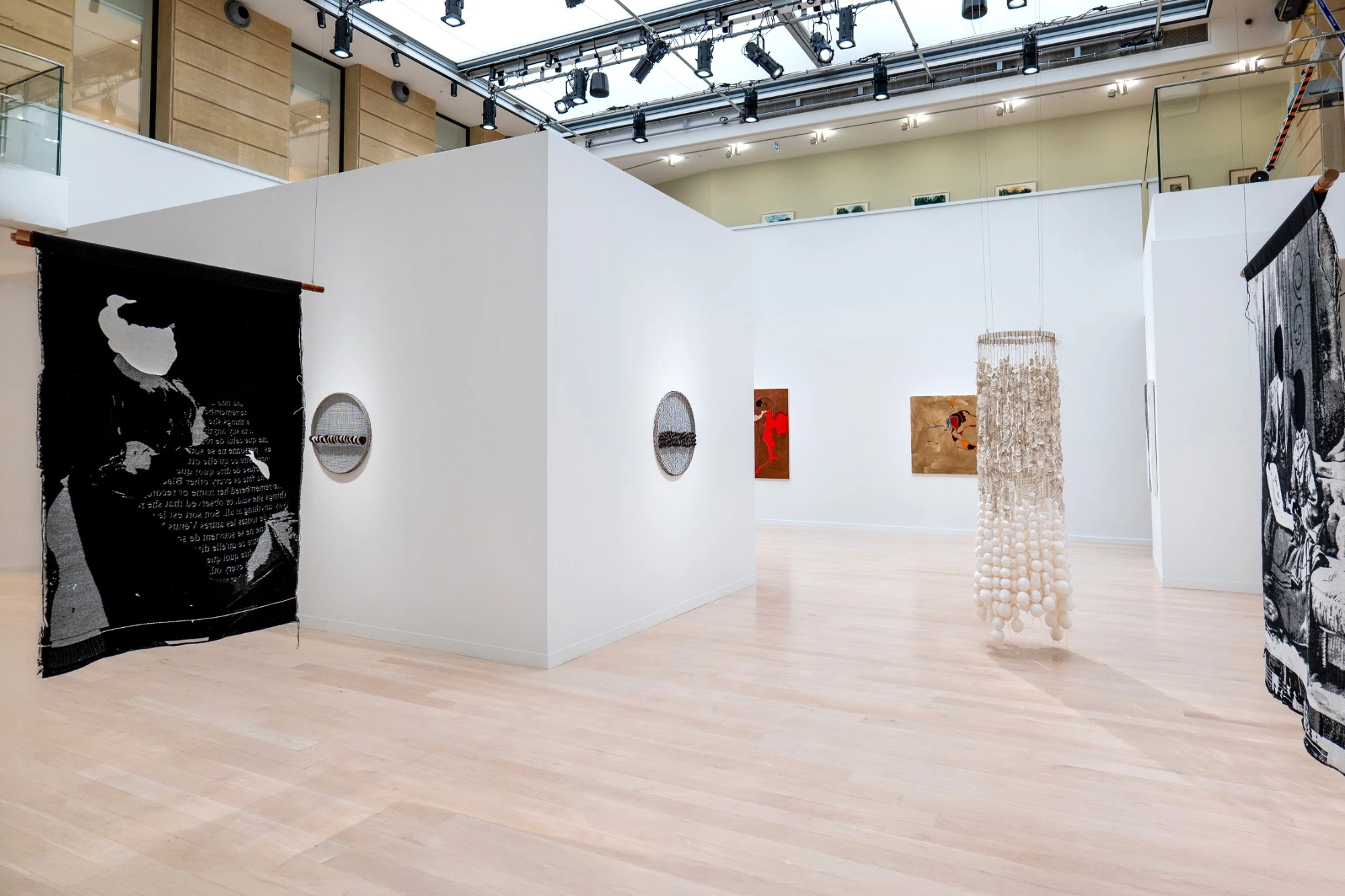
The surfaces look seamless, and power and data run inside the frame.
You can rebuild while staying open, with no dust and no tradespeople in the building.
Two people from your own staff are enough to set up the walls.
Layout and colour can be changed at any time, even shortly before the opening.
Radii, doors, showcases, displays, lighting and acoustics all fit into the same system.
New modules fit the old ones, right back to the first generation.
A damaged surface is repaired or re-covered, and the module stays in use.
The most sustainable wall is the one that stays.
Delivery time. We usually deliver standard formats within two to three weeks.
The wall comes to you: before the video appointment, we send you a sample with small original walls. During the appointment, you assemble a wall from it yourself while we explain the system. Or you come to the wall: Mila-wall is on display all year round at our customer centre in Reutlingen. We reply to your enquiry within 24 hours.
Tell us what you need. We will reply within 24 hours.