
Mila-wall Sound: invisible speakers in the wall

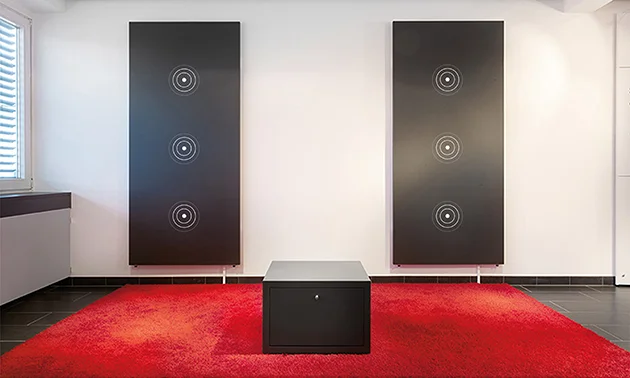
With Mila-wall Sound, the wall itself becomes the sound source. Special vibration units sit inside and set the surface vibrating. The technology remains invisible, and the sound field is even and pleasant. On request, a Bluetooth-enabled model is available.

Mila-wall Sound: invisible speakers in the wall

Why Mila-wall Sound

Sound installations should be convincing without disturbing the room with visible technology. Mila-wall Sound integrates the speakers into the wall module and creates a diffuse sound field with high performance and even distribution. The result is hi-fi enjoyment and clear speech intelligibility directly from the surface.

Process Phase

How the flat-panel speakers work

Unlike conventional point-source speakers, with Mila-wall Sound the entire surface vibrates. The sound spreads across the plane almost independently of frequency and covers a wide dispersion angle of around 130 degrees. Visitors experience natural, homogeneous reproduction everywhere in the area.

Process Phase

Bluetooth model and DSP

The Bluetooth-enabled model is controlled via a smartphone or other Bluetooth device. The integrated amplifier can even be battery-powered; a mains connection is not strictly necessary. All versions are suitable for connection to amplifiers with digital signal processing. The technology remains invisible from the outside.

The new, innovative modular wall system with an integrated flat-panel speaker

Technical data

  • Dispersion angle of around 130 degrees for wide coverage
  • Power ratings of 20, 40 or 60 watts RMS
  • Frequency range typically 100 Hz to 18,000 Hz
  • Sensitivity 82 to 85 dB at 1 watt at 1 metre
  • Impedance 8 ohms, depending on the project also 4 or 16 ohms
  • Sound surfaces depending on output from around 615 × 615 millimetres to 615 × 1,400 millimetres

The information refers to the Mila-wall Sound product page. Details on the Bluetooth amplifier and transducer can also be found in the data sheet.

Applications

Museums and exhibitions, galleries, exhibition stand construction, events, media stations, soundscapes, exhibit explanations with voice playback. The integrated solution supports a clear presentation with no visible speakers.

Study on the perception of sound from Mila-wall Sound

Museums are places that give visitors new experiences and thus insight, as exhibits build a bridge to the past, highlight aspects of the present or even offer a glimpse into the future. However, the range of experience is often limited, especially as exhibits usually bear only silent witness and the acoustic environment hardly invites visitors to linger. Giving exhibits a voice was the aim of a research cooperation between the Fraunhofer Institute for Building Physics (Fraunhofer IBP), MBA and other manufacturers. Which media do museum visitors prefer in loud and quiet environments? How are different media rated in comparison? And can soundscapes influence the impact of an exhibit?

Methode

Methode

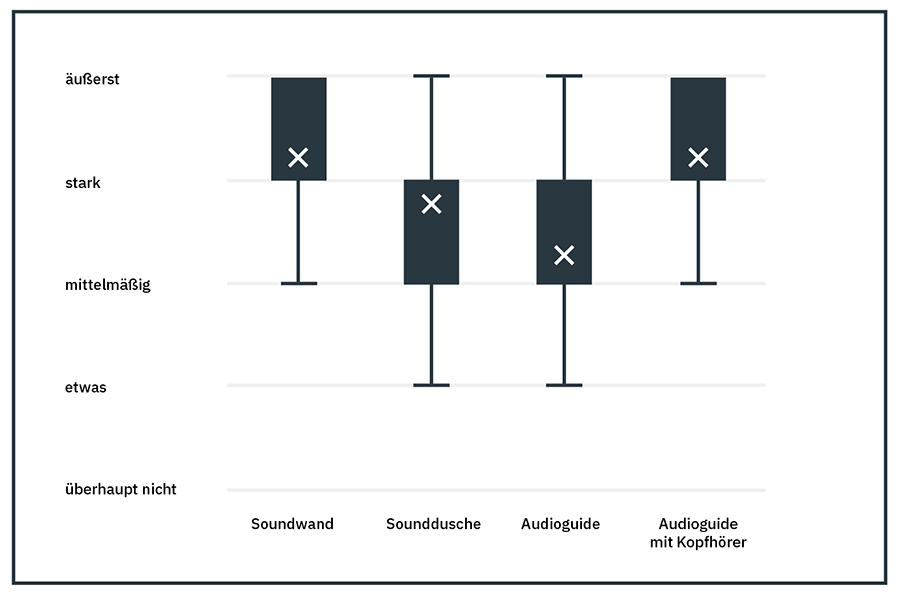
Fig. 1: “How pronounced is the speech intelligibility of the voice?” (n = 50)

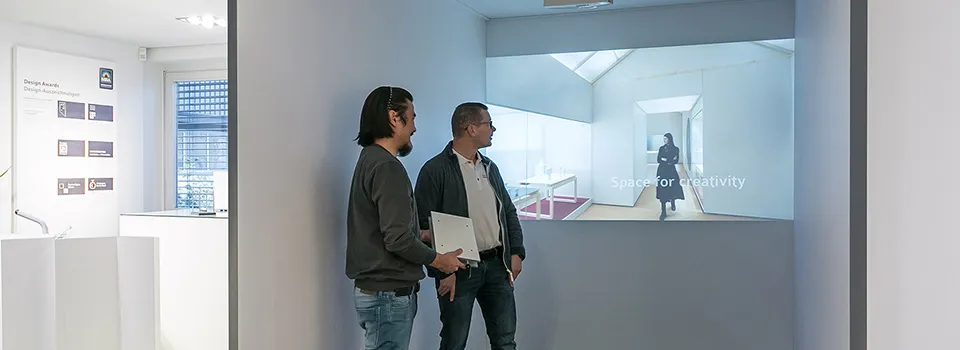
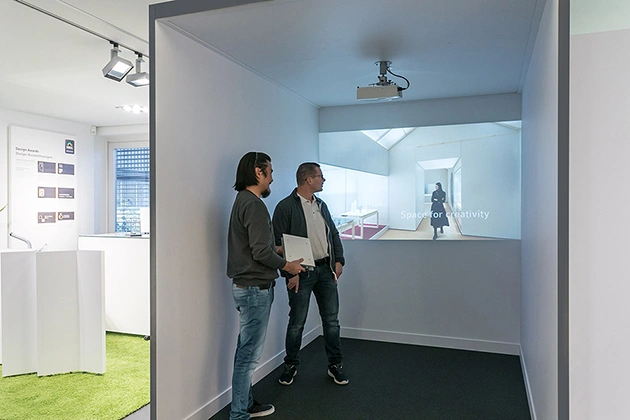
50 participants aged 18–71 visited an “exhibition” of Picasso's “Guernica”, printed on a Mila-wall Sound (see Fig. 1). Information about the painting was presented one after the other via different media (text panel, audio guide with and without headphones, sound shower, Mila-wall Sound), while the room was either quiet (group 1) or typical museum background noise was played (group 2). The participants rated each medium according to acoustic and non-acoustic criteria. Finally, the emotional impact of the painting was examined when viewed with acoustically matching accompaniment (soundscape: war scenario).
Results

Results

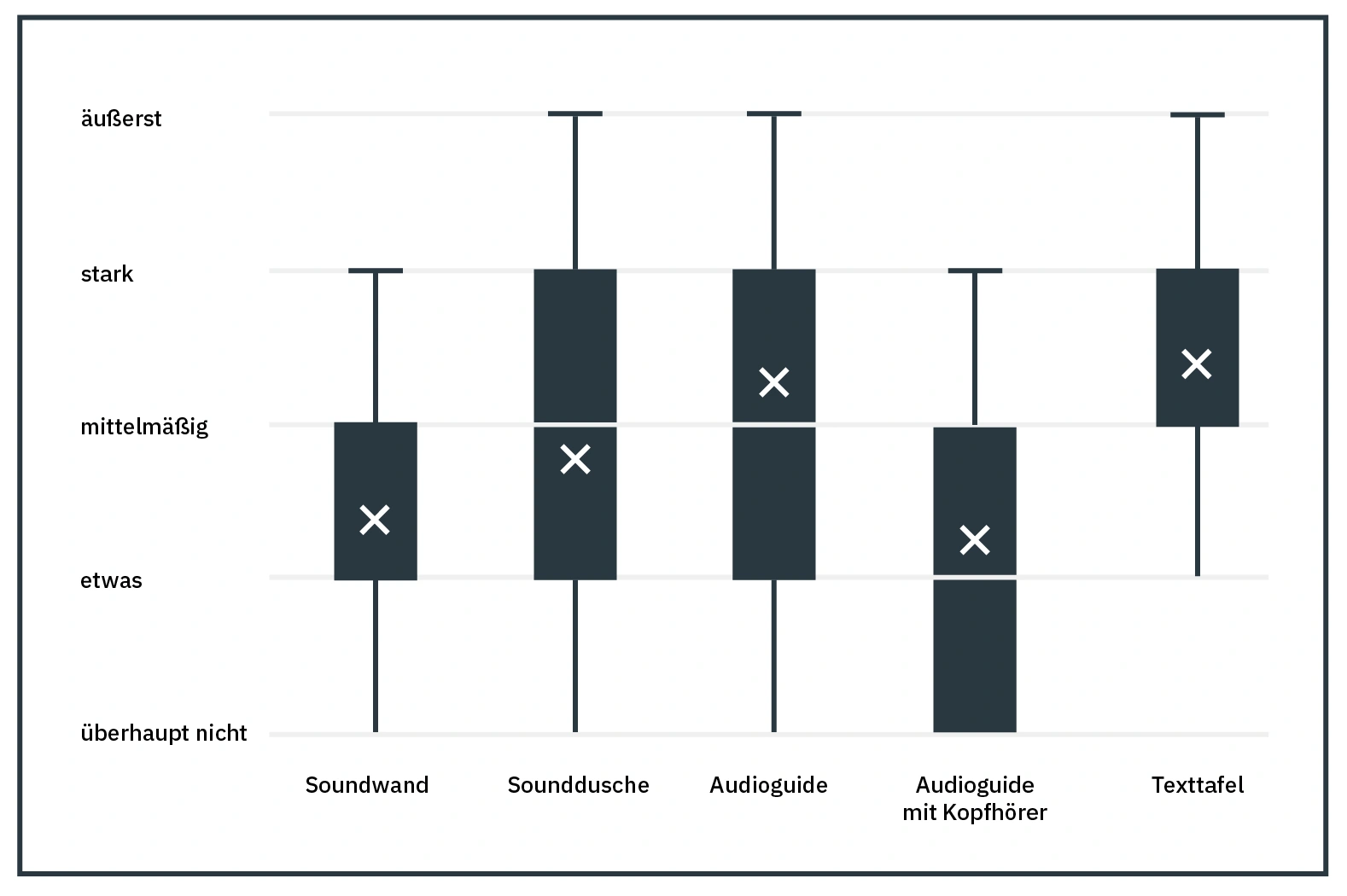
Fig. 2: “How strongly did you feel disturbed/bothered by ambient noise?” (n = 25)

The perceived speech intelligibility of Mila-wall Sound (see Fig. 2) is rated as just as high as that of an audio guide with headphones (which, however, emits the sound directly at the ear) and higher than that of a sound shower (t(24) = 2.79, p = .01) and of the audio guide without headphones (t(24) = 4.34, p < .001). Disturbance from ambient noise (see Fig. 3) is perceived as lower when using Mila-wall Sound than when reading a text panel (t(24) = 4.53, p < .001) or when using an audio guide without headphones (t(24) = 2.3, p = .006).

Dresden State Art Collections

Dresden State Art Collections

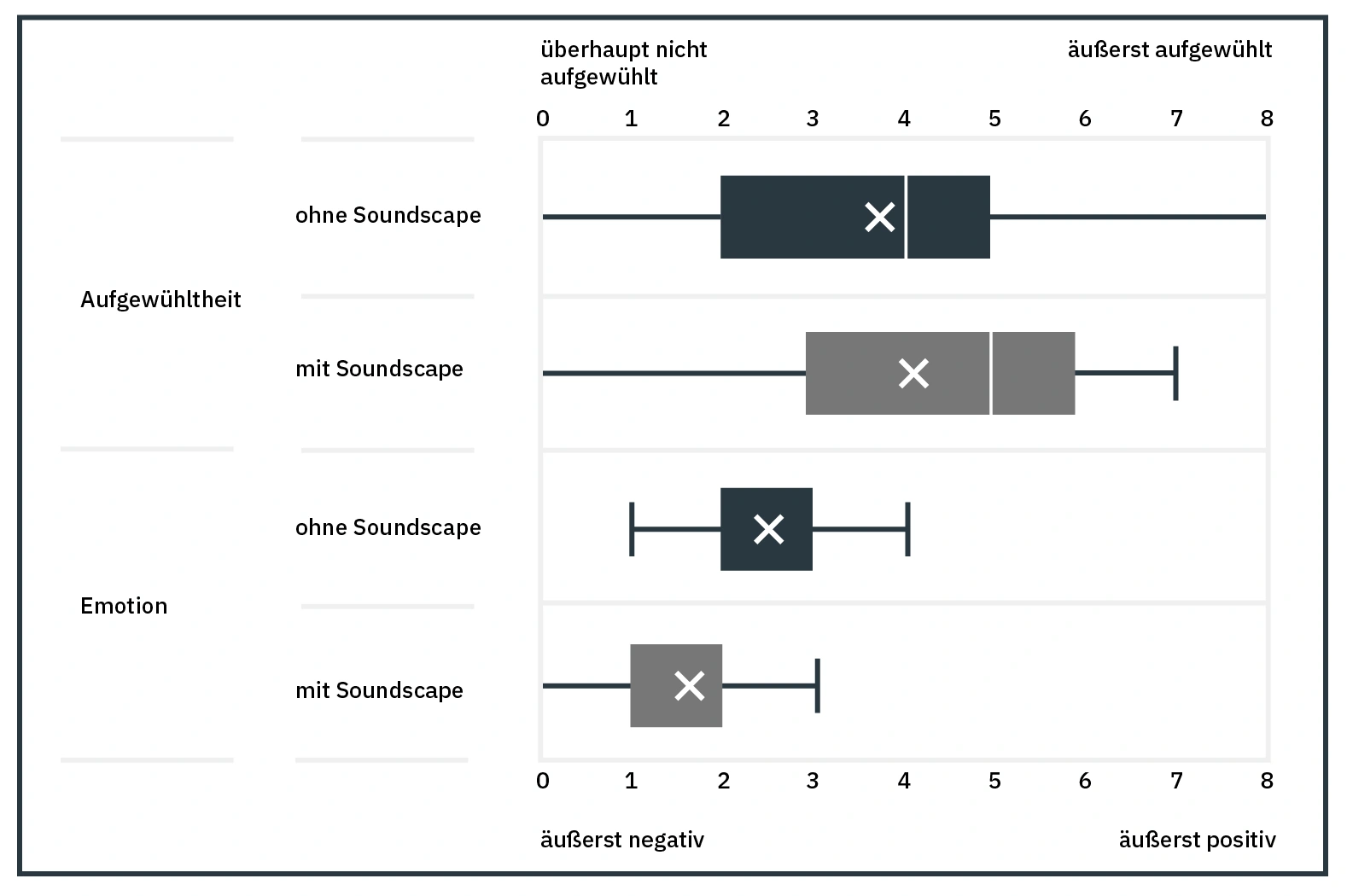
Fig. 3: “Please indicate how agitated you feel when viewing the painting/what emotion the painting triggers in you.” (n = 50)

The emotional impact of the sorrowful painting is more negative when viewed with a soundscape matching its content than when viewed in silence (t(48) = 2.16, p = .04), i.e. the impact of the painting was intensified by the soundscape, here a war scenario. In addition to conveying information, the future potential of auditory media in exhibitions and museums lies increasingly in creating audiovisual experiences.

Request a demo appointment

We will send you a sample with small original walls by post in advance. During the video appointment you have the sample in your hands while we explain assembly, feel and possible uses live using the sample. Simply choose your appointment in the calendar now.