
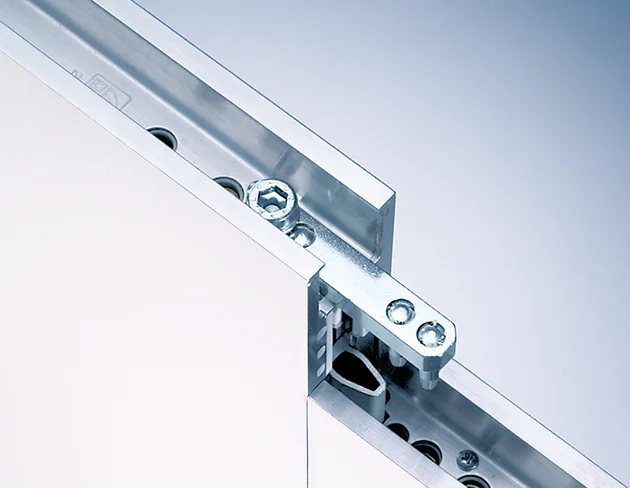
The acoustic wall uses the frame of the Mila-wall 100 series. Materials and internal structure are designed for maximum sound absorption and noticeably improve the room acoustics.
Mila-wall Acoustic ensures audibly quieter rooms. The sound-absorbing modular wall systems reduce reverberation, improve conversations and retain the clear look of the Mila-wall surface. Results were determined with Fraunhofer IBP, and the design has won an award.

Mila-wall Acoustic reduces reverberation and improves speech intelligibility. Conversations become more relaxed, groups disturb each other less and guided tours remain easy to understand. The surface remains calm and seamless, and the technology stays out of sight. Results were determined in cooperation with Fraunhofer IBP. Hear for yourself with the following example – ideally with headphones:
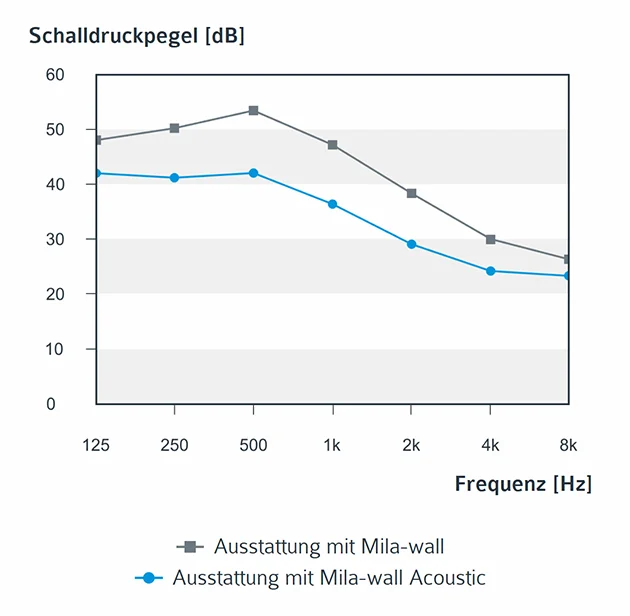
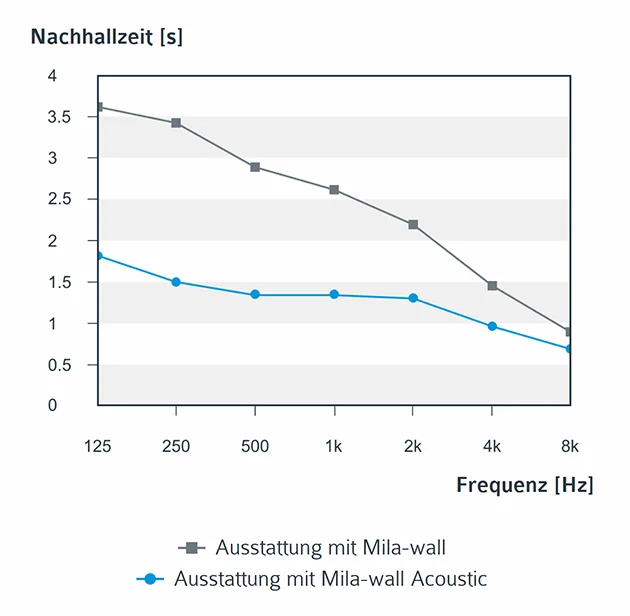
The wall modules were developed and tested with Fraunhofer IBP. Measurements in a free-field room show a significant reduction in reverberation times and sound pressure levels compared with conventional walls. The diagrams on this page illustrate the difference.
Mila-wall Acoustic combines acoustic performance with a calm, high-quality surface. The design was named an industry trend by the architecture magazine AIT and received the German Design Award from the German Design Council.
Museums, exhibitions, galleries, exhibition stand construction and events benefit from less reverberation and clear intelligibility. Examples include video boxes, quiet rooms and areas with parallel programme items.
The acoustic wall uses the frame of the Mila-wall 100 series. Materials and internal structure are designed for maximum sound absorption and noticeably improve the room acoustics.

From the outside, only a structure of micro-fine openings is visible. Inside, an acoustically optimised layer structure ensures high sound absorption and noticeably improves the room acoustics.
Mila-wall Acoustic audibly improves room acoustics. The sound-absorbing modular wall system reduces reverberation, increases speech intelligibility and retains the calm look of the Mila-wall surface. The effect is based on three acoustic principles that work together depending on the situation.
Absorbing is best explained as soaking up or swallowing. Smooth surfaces normally reflect sound. The Mila-wall Acoustic wall takes in a large proportion of the incoming sound energy and converts it into heat inside. This is achieved by a specially tuned layer structure. The exact design remains the know-how of the engineers.
Screening works like an umbrella. The direct sound path between source and listener is interrupted, so less sound arrives. The wall dampens the spread of sound and reduces disturbance in neighbouring zones. In planning, this allows islands, video stations or conversation areas to be cleanly separated from one another.
Masking means that a neutral, broadband noise covers up disturbing noises. As a result, the ear perceives the disturbing noise less. In exhibitions and at events, masking can be useful at specific points, for example at media stations. However, the main effect of Mila-wall Acoustic comes from absorption and screening.
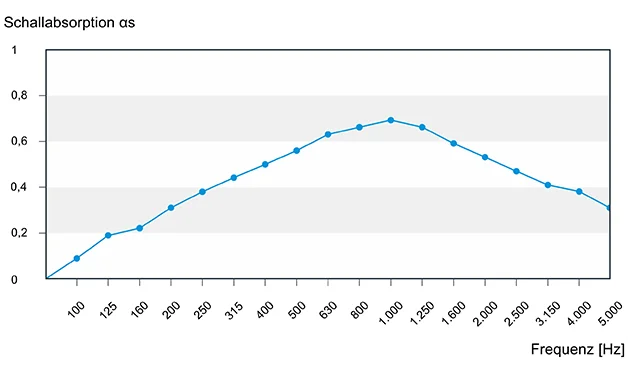
The Mila-wall Acoustic wall was developed in close cooperation with the renowned Fraunhofer IBP. Measurements in a free-field room show a noticeable reduction in reverberation and improved speech intelligibility while the look remains calm.
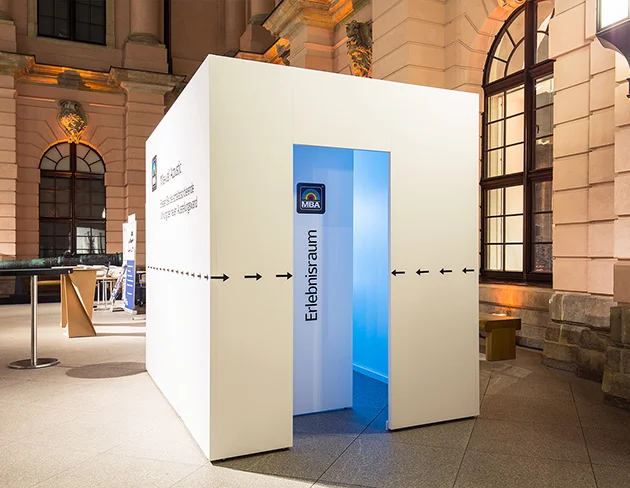
The video box is made of Mila-wall Acoustic. Inside, sound reproduction is clear with significantly less reverberation. Noticeably less sound escapes to the outside, as absorption and screening work together. The surroundings stay quieter, and conversations and guided tours nearby cause less disturbance.
At the Stratford Circus Arts Centre in London, the International Gospel Choir London tested the sound-absorbing wall modules of Mila-wall Acoustic. The result was significantly less reverberation, clearer voices and a quieter environment, even outside the area. The effect depends on the room and the set-up.
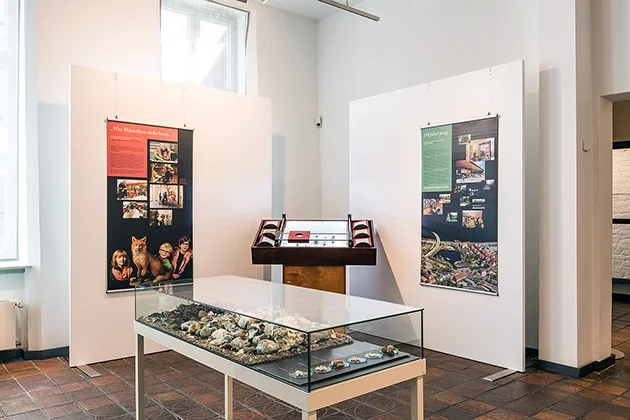
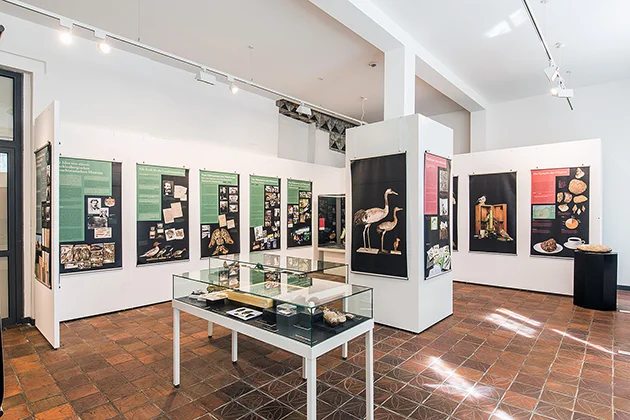
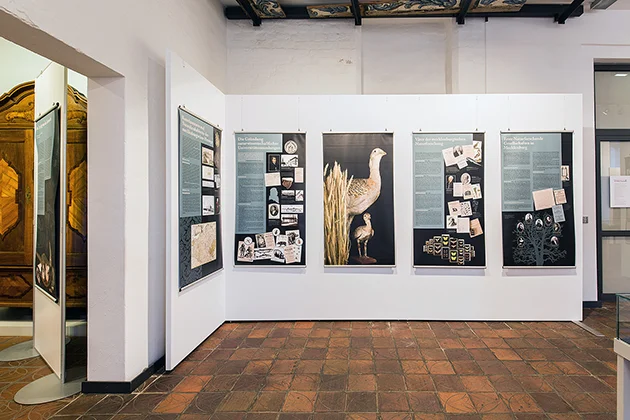
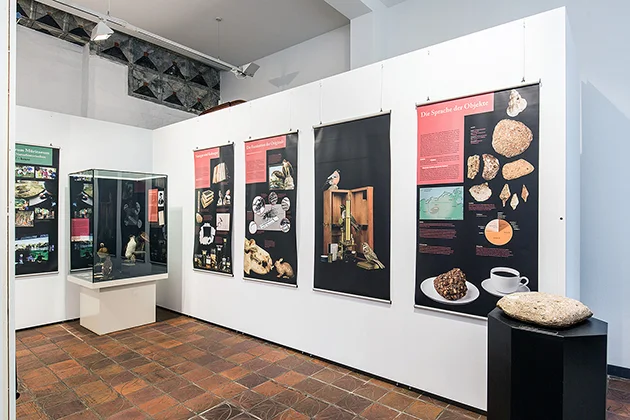
A special exhibition at the Museum of Cultural History in Rostock used Mila-wall Acoustic. The sound-absorbing wall modules significantly reduced the natural reverberation of the room, so that the soundscape with birdsong sounds clear and close. Visitors experienced the room as if they were out in nature, while the presentation surfaces remained calm and precise.
In this video compilation, you can see the set-up of a chill-out room designed by MBA at BOE International in Dortmund. The quiet room has sound-absorbing surfaces inside, can be realised in various sizes and its interior can be designed individually. Built with Mila-wall wall modules from the Acoustic series, it creates the perfect retreat in no time – in the middle of the bustle of a trade fair, an event or an open-plan office.
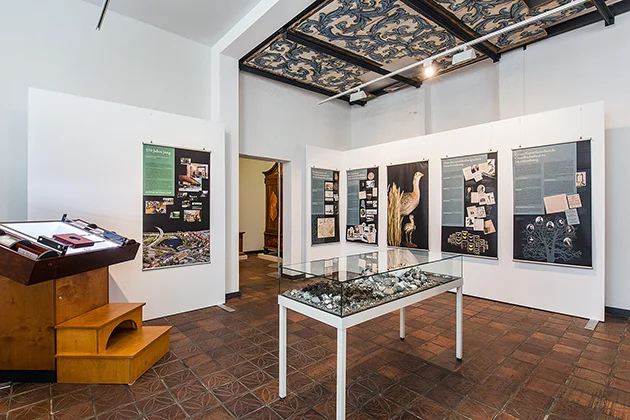
These exhibition rooms of the Hilm Böckmann retrospective at the LWL Museum of Archaeology in Herne were the basis for an impressive demonstration of reverberation reduction with acoustic walls from the Mila-wall Acoustic series.
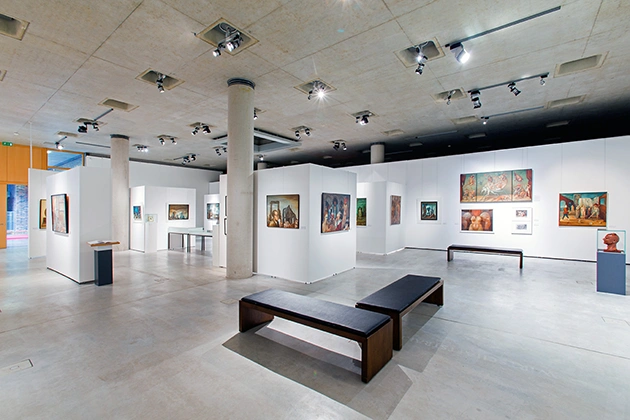


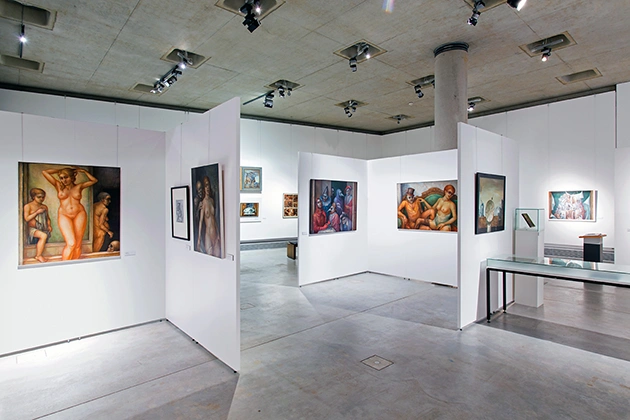
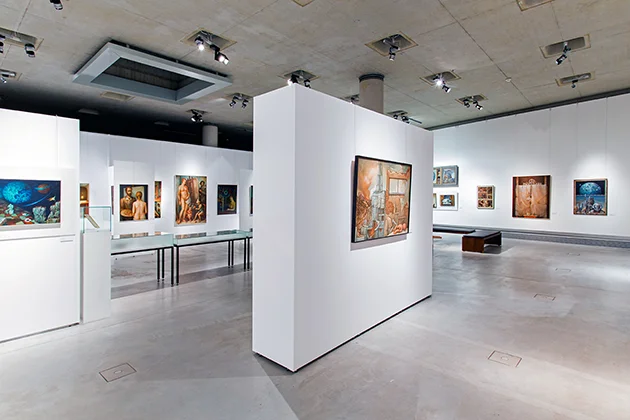
In a simulation by Fraunhofer IBP, the layout of these exhibition rooms was compared with conventional modular wall systems and with Mila-wall Acoustic. The results speak for themselves:
We will send you a sample with small original walls by post in advance. During the video appointment you have the sample in your hands while we explain assembly, feel and possible uses live using the sample. Simply choose your appointment in the calendar now.